Our Mission
To strengthen rural communities to lead their own self-reliance by building skills, confidence, and leadership. Rooted in the Thar Desert, URMUL secures food, fodder, and water while renewing crafts, culture, and local creativity.
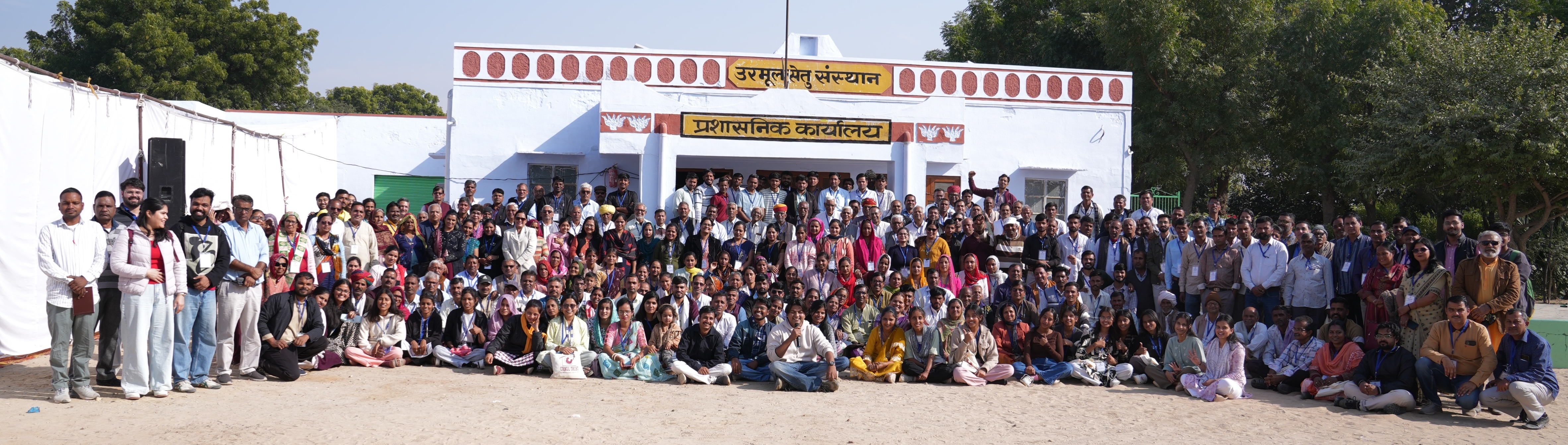
URMUL Trust (Urmul Rural Health Research and Development Trust) is a community-driven organization working across Rajasthan for more than 40 years. It was built on the belief that real change begins within the community itself. URMUL works closely with people—especially women, children, and marginalized groups—to strengthen their confidence, skills, and collective voice. Through initiatives in education, livelihoods, health, and natural resource management, the organization supports communities to come together, address their own challenges, and move towards a life of dignity, resilience, and self-reliance.
The story of how a milk union evolved into a movement for rural development and women's empowerment
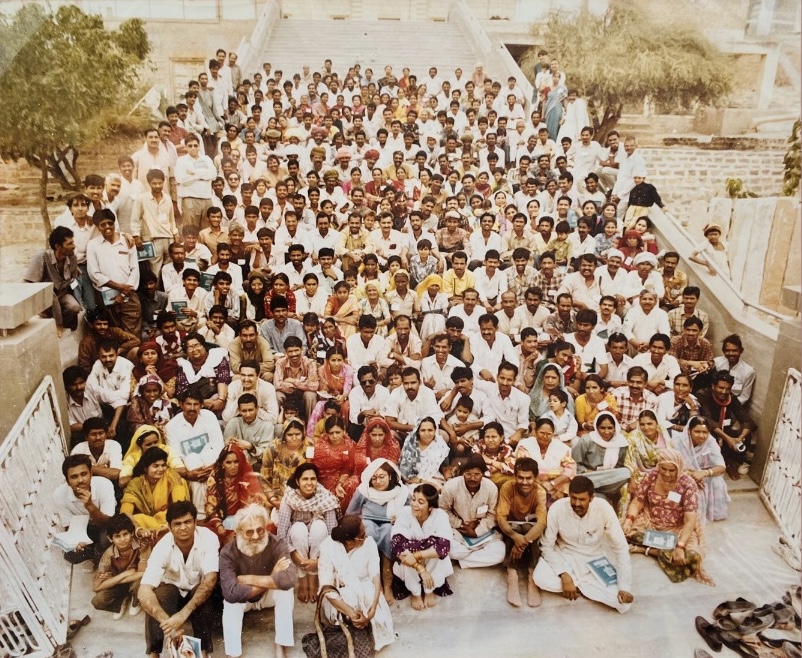
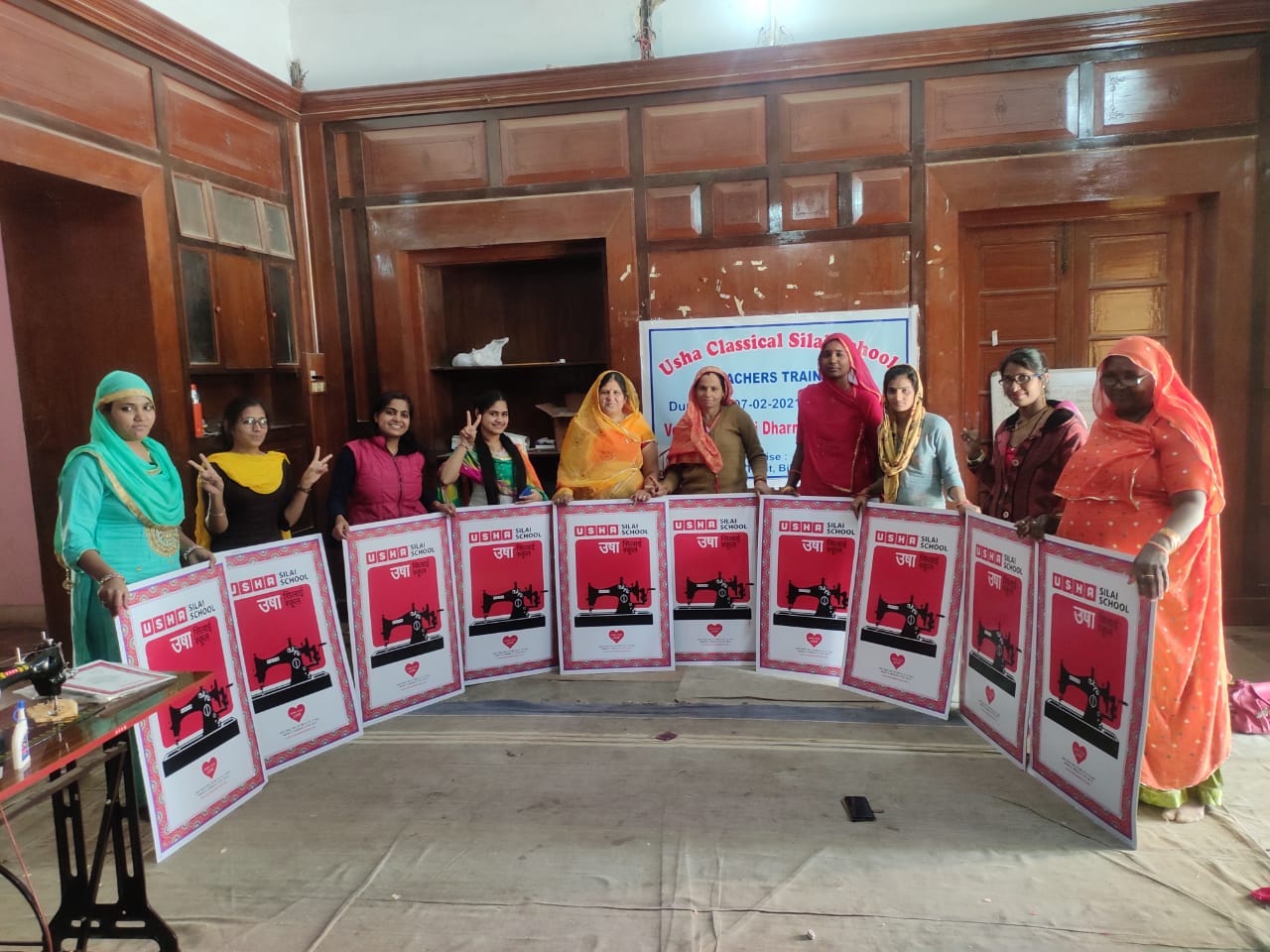
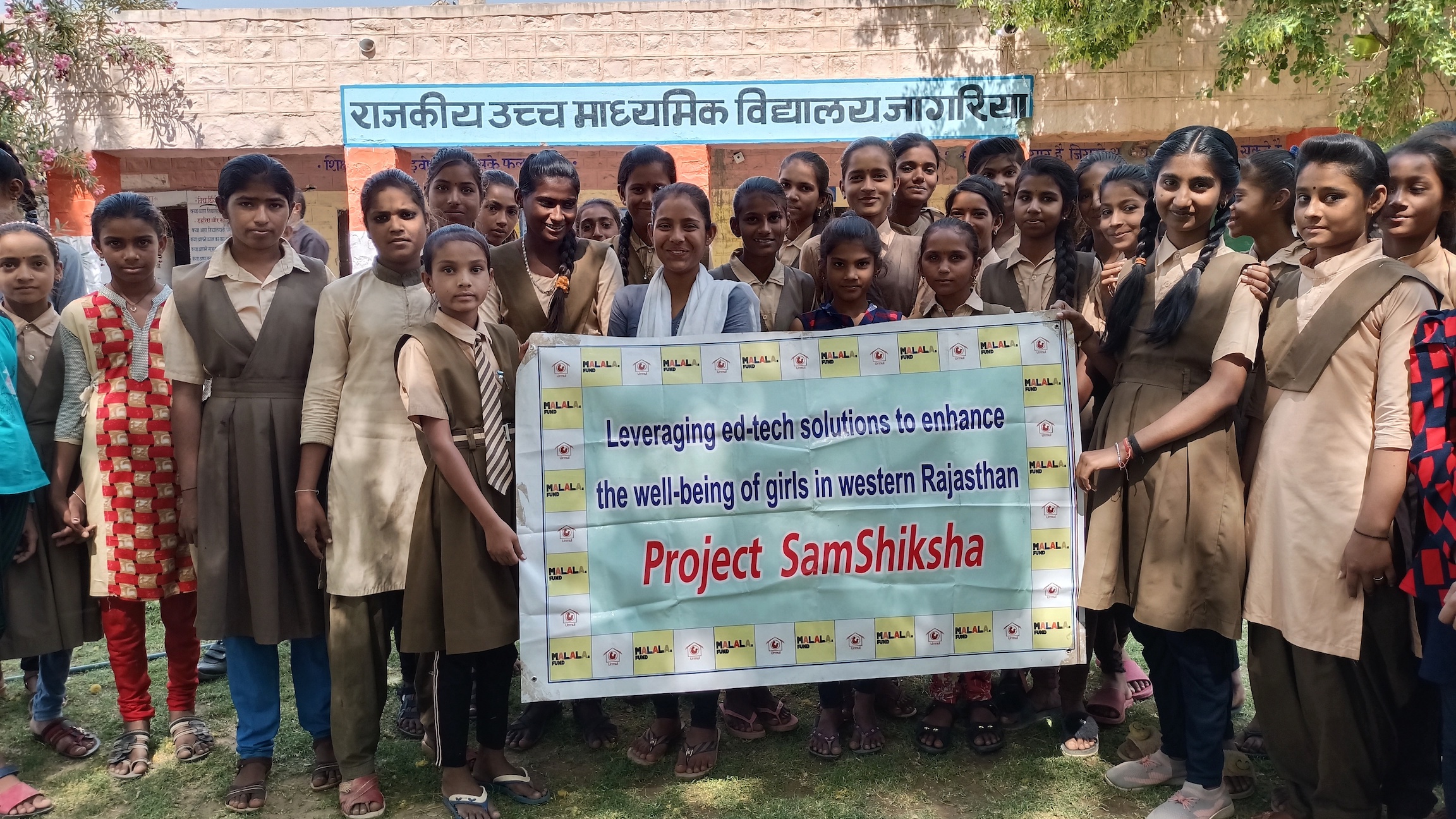
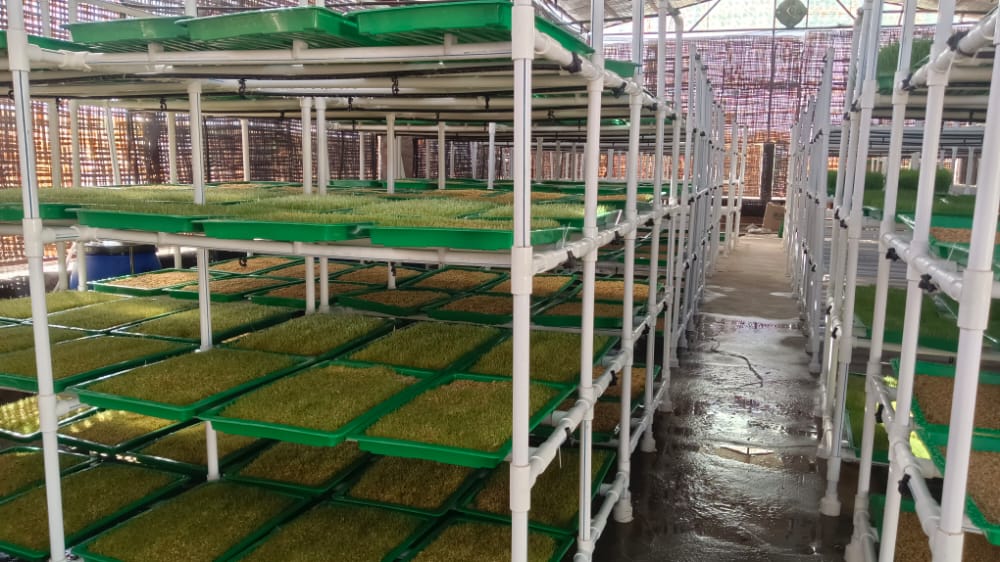
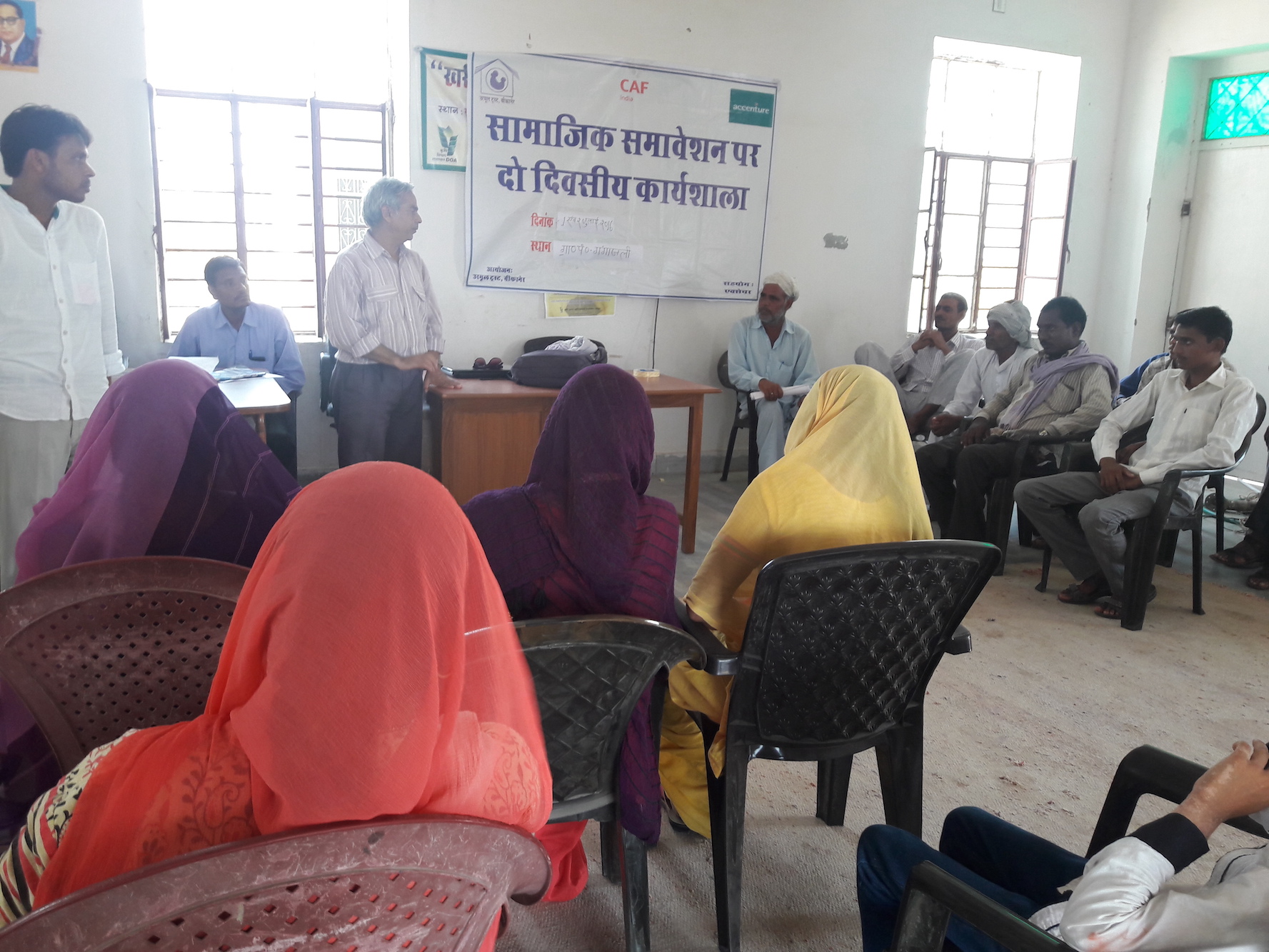
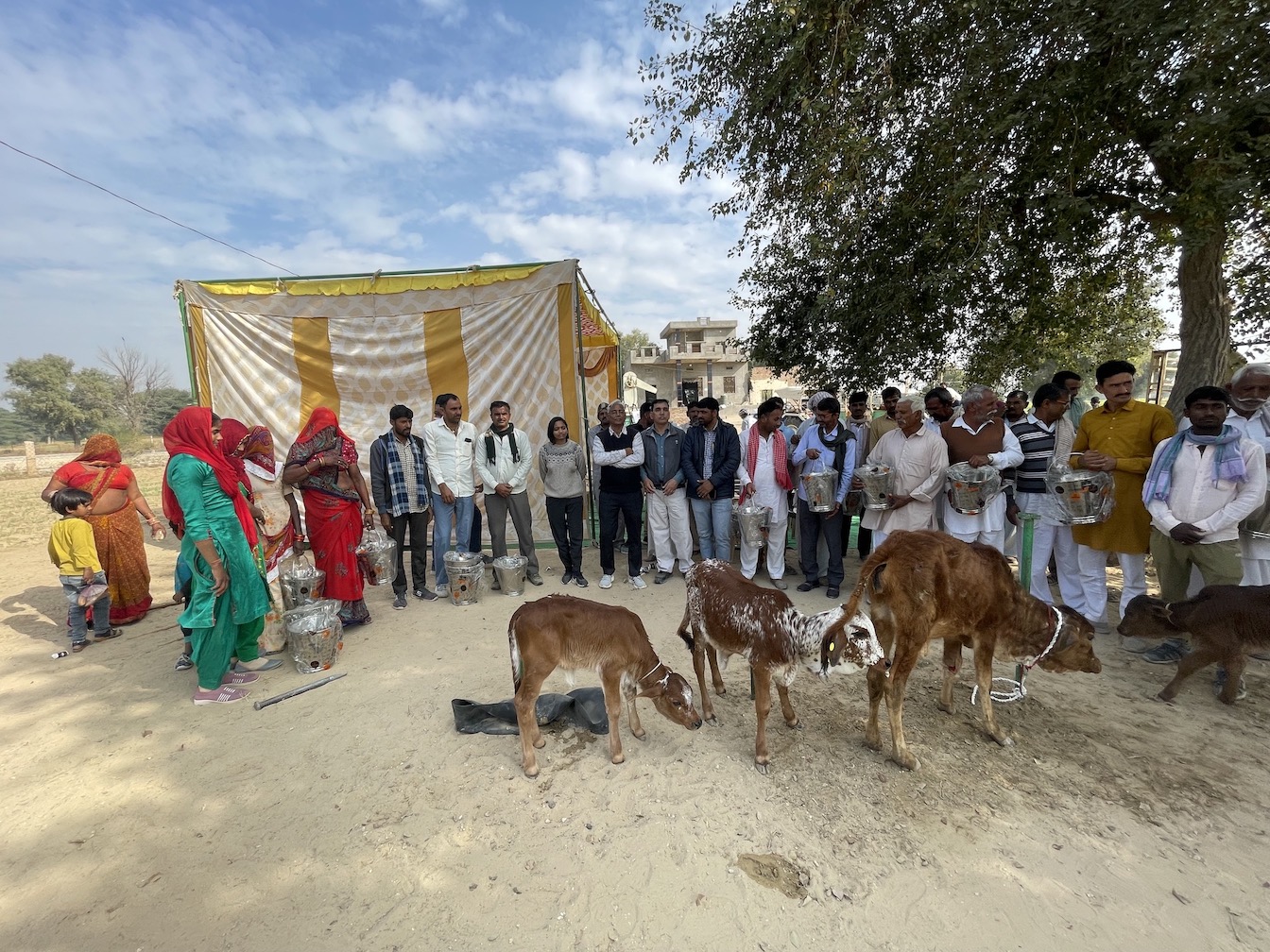
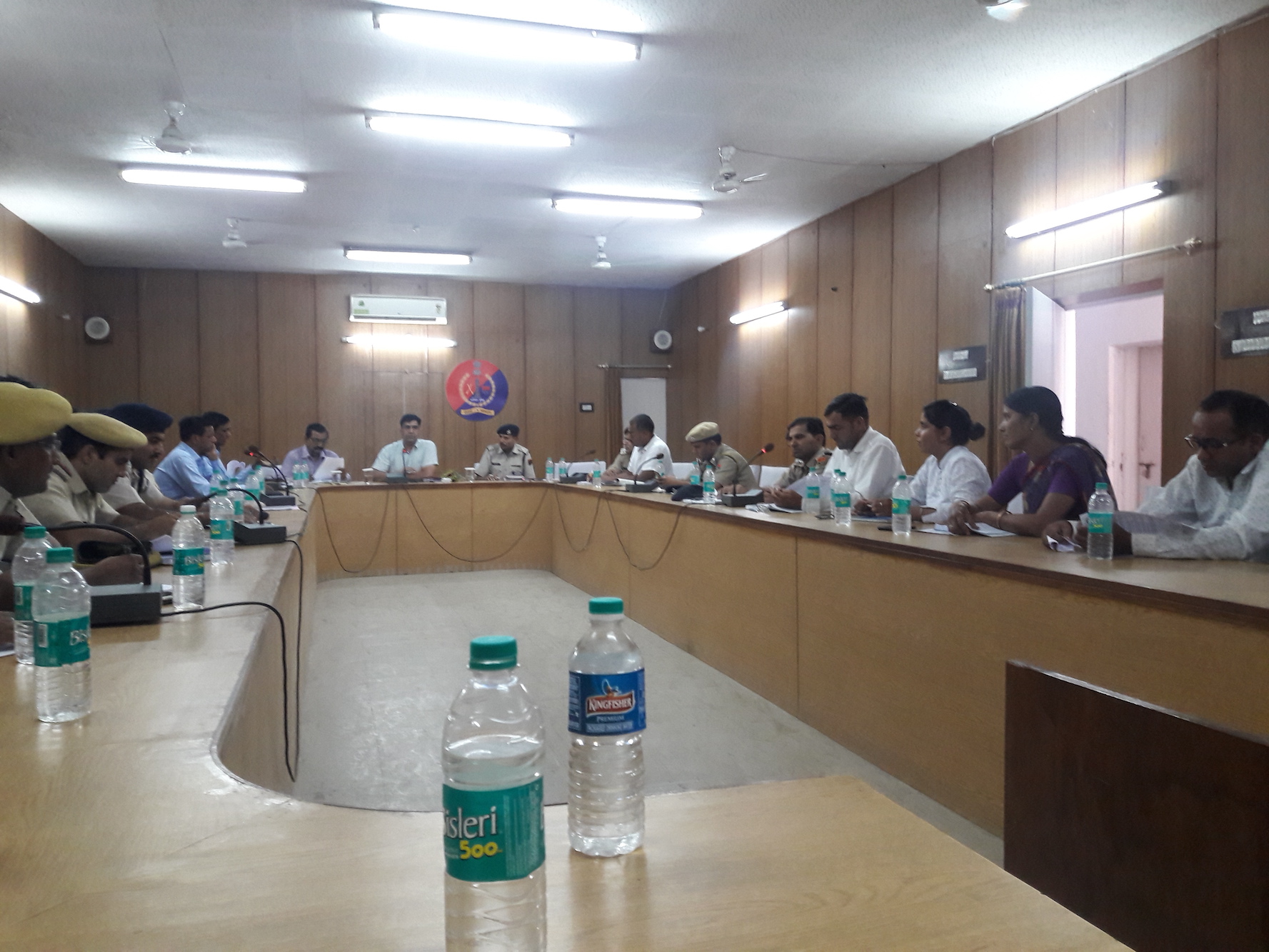
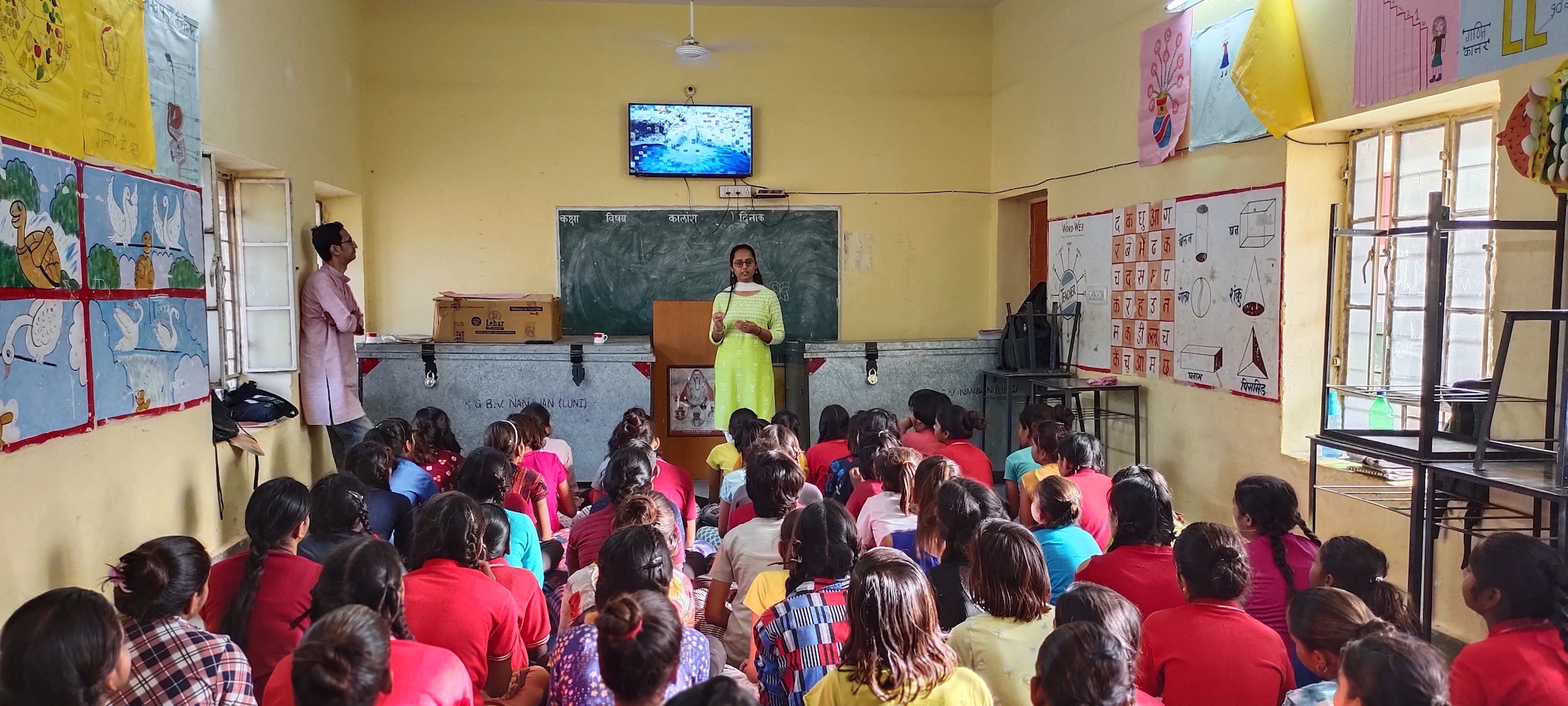
Development conversations across the Thar.
Early insight: "Work with the community, not for them."
Visioning of URMUL by Sanjoy Ghose
URMUL officially registered.
Villages: Dhani Bhopalaram, Nathwana, Kishnasar Rajpuria, Dhirdan and Malkisar-Goplyan neighbouring hamlets.
Families contribute 3 paise per litre of milk to a shared welfare fund.
Funding used for health, medicines & relief.
Becomes URMUL's first community-owned social security model.
The first institutional structure of URMUL Trust was established at Lunkaransar during the major drought relief operations, created in close collaboration with the Government.
From this foundational centre, URMUL gradually expanded its work into other drought-affected regions, including the remote desert area of Bajju.
This period marked the transition from pilot work to institutional scaling. Village groups organized during the drought became the backbone of URMUL's community-led approach.
It was at this time that the first seeds of the sangathans (village collectives) were sown. Beginnings were made of a relationship with the people in the villages, which was to continue and thicken in the years to come. Till date, these remain strong support and network systems at the village level.
Severe drought years; relief work intensifies (fodder, water, food).
Mahila Mandal (women's groups) formed.
Village leadership training begins.
Education work begins: night schools, non-formal learning.
Village-level institutions created (committees, groups).
Started with spinning, Skill based activity, Drought Mitigation.
Collective work with artisans begins: weaving, craft groups.
Participation in block-level melas & fairs; first public exhibitions.
Seed of future craft cooperatives (e.g., UMBVS) planted.
Started engaging with women and advancing advocacy for their empowerment.
1992 — Nahar Yatra (Canal March): Conducted the "Nahar Yatra" to raise awareness about waterlogging, salinity, and land degradation along the Indira Gandhi Canal region.
Large-scale foot march to mobilise communities.
Strengthened awareness, unity & public participation.
Foundation for village-led decision-making.
1993-1995 — Decentralisation: URMUL initiates the formation of autonomous units to strengthen and diversify its work.
Education programme expands massively.
Children's camps (Bal Manch, learning fairs) strengthened
Community institutions become stronger & more independent.
Universalisation of education and the strengthening of educational systems.
Public hearings, social audits, & community transparency movements.
RTI awareness campaigns across villages.
Partnerships with Rajasthan & Madhya Pradesh governments to train village workers.
2001 Onwards: URMUL Setu, Seemant, Marusthali, Vasundhara, Khejadi, Jyoti, Marushakti grow as independent bodies.
Programmes in health, crafts, education, livestock, water, youth leadership scale up.
Institutional capacity becomes strong & self-sustaining.
2002 — Gujarat Earthquake Relief: URMUL team provides major relief support in Gujarat earthquake operations.
Marks the first large-scale inter-state humanitarian work.
2003-2006 — Panchayati Raj & Women's Participation: Intensive training for gram panchayat members, especially women.
Social justice,
Access to entitlements (ration, pensions, health services) Monitoring village development plans
Advocacy around female foeticide prevention, gender equality, and safe labour practices.
2006 — Rangsutra Crafts India Pvt. Ltd.: Formally registered, establishing a pioneering artisan-owned social enterprise.
The first institutional structure of URMUL Trust was established at Lunkaransar during the major drought relief operations, created in close collaboration with the Government.
From this foundational centre, URMUL gradually expanded its work into other drought-affected regions, including the remote desert area of Bajju.
Career-oriented Balika Shivirs for adolescent girls.
Laado – "Girls Not Brides" child marriage prevention movement.
Health & nutrition systems strengthen.
Focusing on improving the quality of education and strengthening girls' education.
2014 – 2018 - Disability-Focused Programmes Expansion: URMUL scales up community-based disability inclusion across multiple blocks.
Screening, early identification & referral systems strengthened through health teams.
Formation of caregiver groups, physiotherapy support, and home-based rehabilitation.
COVID-19 Relief & Education Support: Ensured continued learning and essential relief for children and families during the pandemic.
Digital Education for Girls: Expanded girls' access to digital tools, online classes, and tech-based learning resources.
Natural Dyeing Cluster & Digital Livelihoods for Youth: Integrated natural-dye craft clusters with digital marketplaces and created digital livelihood opportunities for rural youth.
Green Energy Pilots: Solar-powered centres and campus operations for sustainable growth.
Pasture route revival (NRPM).
Began with listening, trust-building, and walking alongside desert communities, turning local strengths into sustainable action.
Early work emphasized health access, women's roles, organizing village groups, and strengthening traditional knowledge as the core of development.
New Livelihood Initiatives Launched: Established the camel-milk value chain through Marugandha, creating sustainable livelihoods for pastoral families.
Collection, products, veterinary support.
Undertook water-resource revival initiatives, including restoration of tankas, kunds, and traditional khadins across the Thar Desert.
Strengthened community-managed water structures, ensuring sustainable access to drinking and agricultural water.
Health & Community Care: Launched Mobile Sanjeevani Health Services, providing doorstep medical check-ups in remote desert hamlets.
Organized regular livestock and community health camps, improving preventive care, vaccination coverage, and access to veterinary support.
Initial financial support to the Trust came from a corpus created through a subsidy of three paise per liter of milk collected by the milk unions - demonstrating the community's commitment to social welfare.
Rooted in the Thar Desert, driven by community wisdom
To strengthen rural communities to lead their own self-reliance by building skills, confidence, and leadership. Rooted in the Thar Desert, URMUL secures food, fodder, and water while renewing crafts, culture, and local creativity.
To support marginalized communities in becoming self-reliant by ensuring access to development services they identify, design, implement, and sustain. URMUL envisions people-led development grounded in community agency and ownership.
Open processes, clear communication, accountable actions
Every voice matters; decisions made collectively
Honesty in action, consistency in principle
Collaborating with communities, governments, and allies
Respecting every individual's inherent worth and potential
Solutions that endure: ecological, economic, social
Local knowledge leads; we walk alongside, not ahead
Fair access, inclusive opportunities, justice for all

Urmul Setu acts as a bridge connecting rural families with development opportunities in health, livelihoods, crafts, and rights awareness.
It empowers vulnerable groups— including women, labourers, and persons with disabilities—through training, mental health education, craft value chains initiatives.
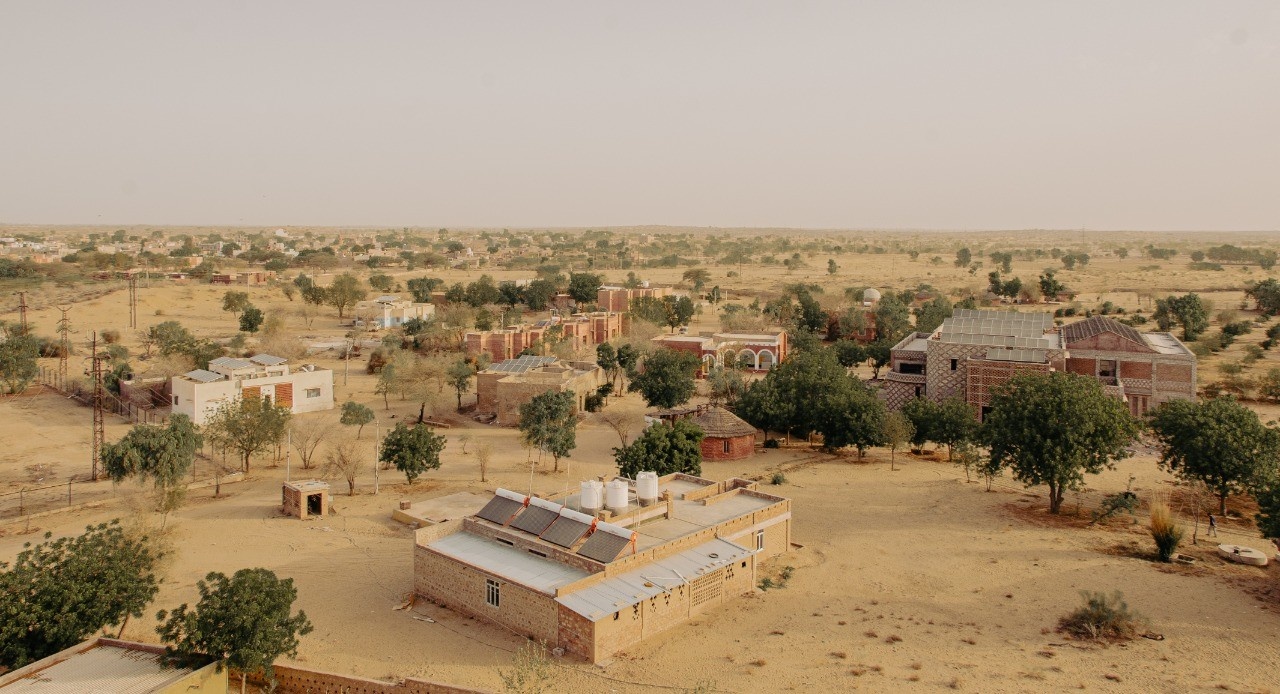
Urmul Seemant delivers integrated services in health, education, livelihoods, and natural resource management.
Its programmes support herders, farmers, and women artisans through livelihood enhancement, biogas access, climate-resilient water work, and craft development.
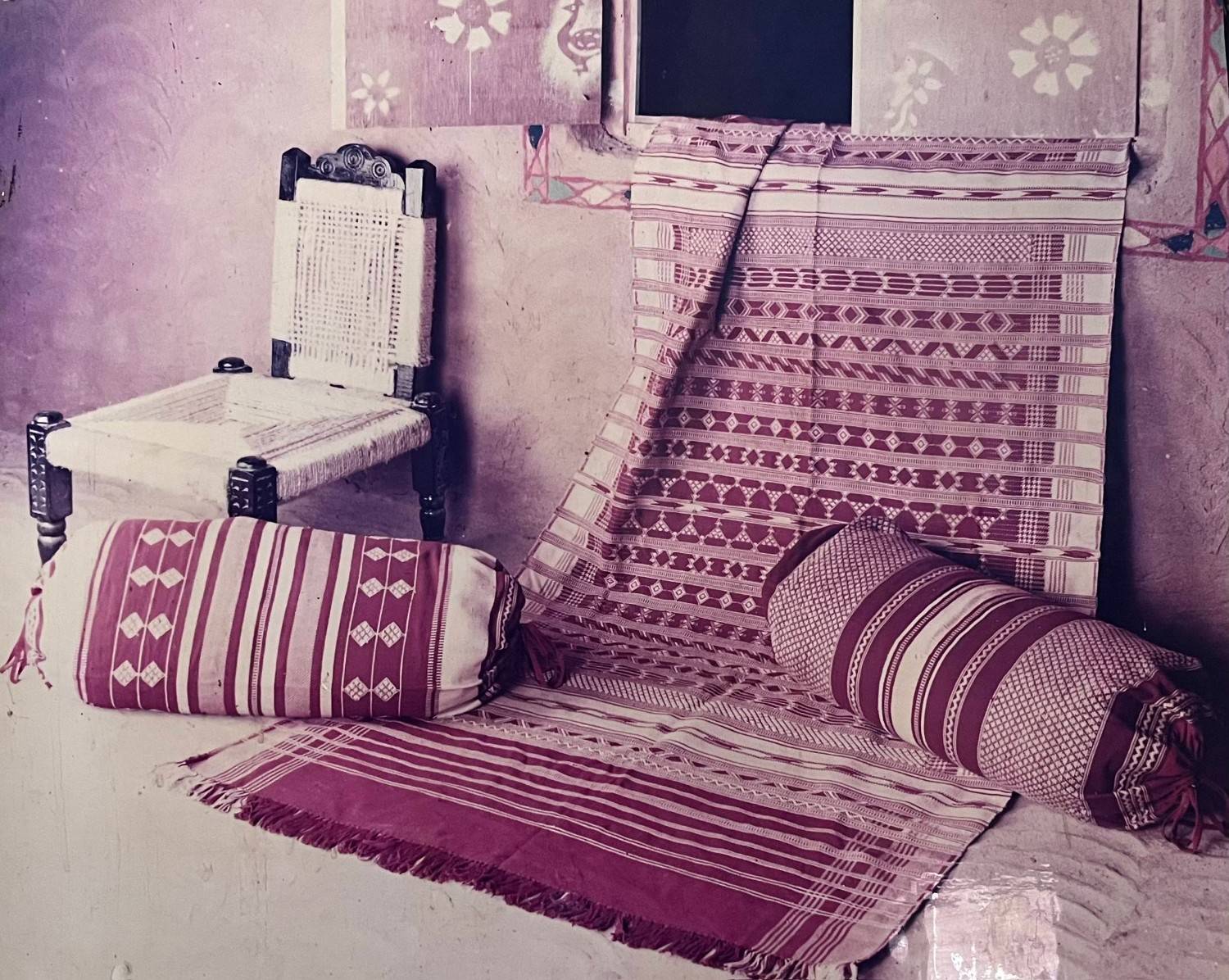
UMBVS, founded by desert weaver families, preserves traditional weaving while empowering communities through skill building, market linkages, and rights-based mobilisation.
It expands women’s participation in craft clusters and strengthens community institutions through education and awareness.
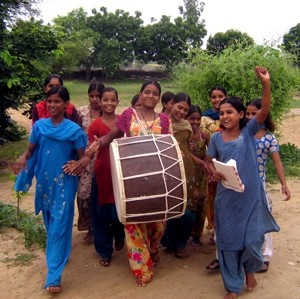
Urmul Khejadi works on building a just, exploitation-free society for marginalised labour communities. It strengthens education, women-led collectives,
migrant labour rights, sustainable livelihoods, and large-scale eyehealth programmes like Netra Vasant.
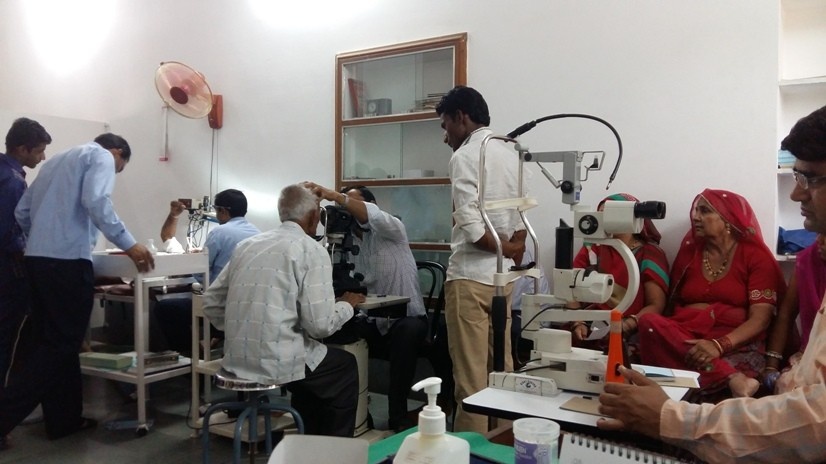
Urmul Jyoti advances rural development through health services, governance awareness, girls’ education, and livelihoods. It delivers extensive eye screenings and primary health care.
The organisation also builds youth employability through vocational skills & enterprise support.
Maru Shakti Sansthan works for women, children, and marginalised desert families by strengthening groups, building awareness of rights, and expanding opportunities for
education, mental & physical health, child marriage prevention and livelihood generation. for long-term community self-reliance.
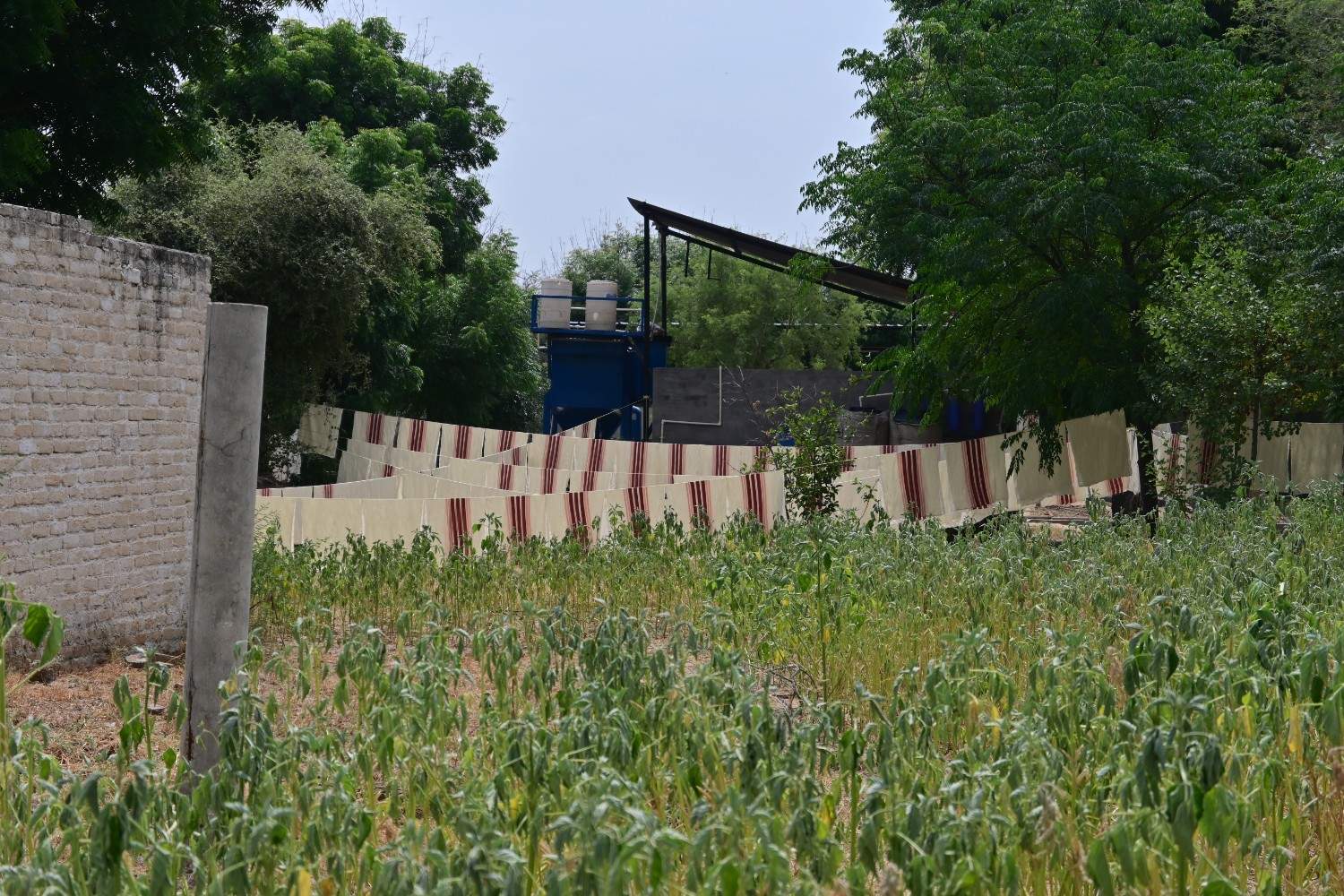
Vasundhara began as a craft-and-livelihood initiative under the trust’s drought relief efforts, turning local wool spinning into weaving, dyeing and craft production.
It built income-generating craft clusters, promoted traditional skills, and linked desert-area artisans to urban markets.
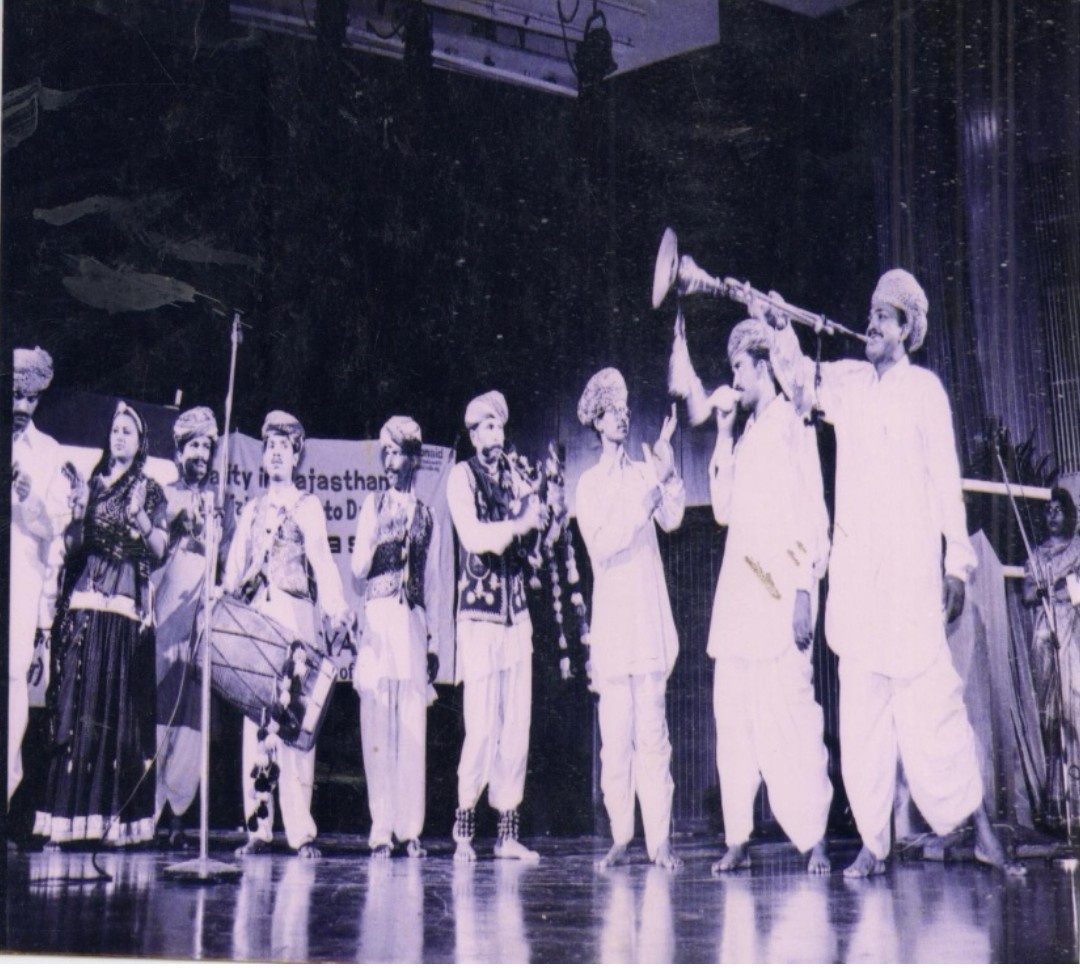
An independent artist-led collective, the Samiti preserves and promotes Rajasthan’s folk traditions, including music, puppetry, theatre, and desert instruments.
It trains young artists, conducts cultural performances, and supports rural performers through skill development and CSR cultural initiatives.
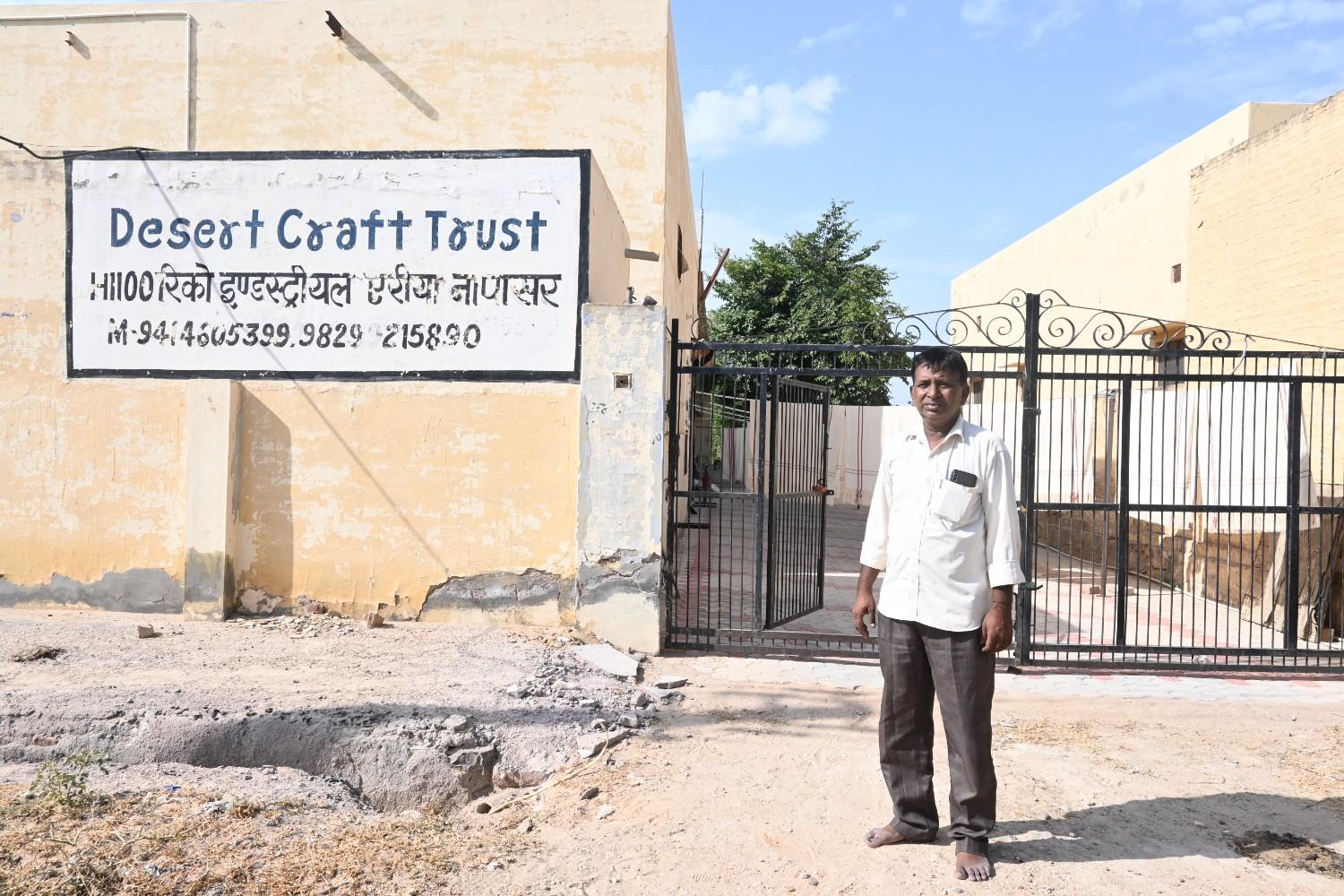
A dedicated weaving center preserving traditional textile crafts and providing sustainable livelihoods to local artisans through skill development and market linkages.
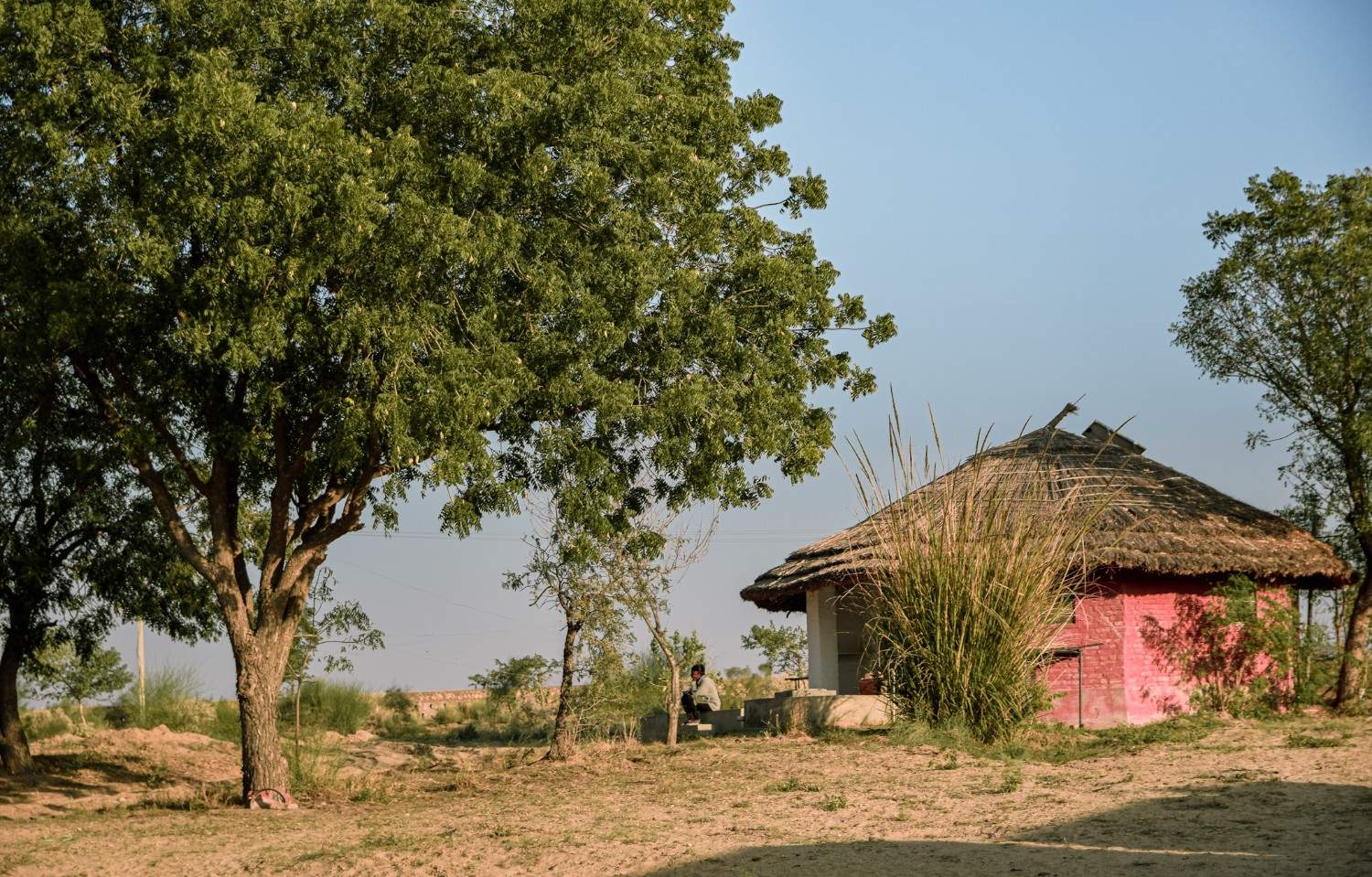
DRC works as a participatory platform documenting desert-region knowledge — ecology, culture, economy — to inform policy advocacy and community action.
It links researchers and communities to cocreate solutions for land, livelihood and living issues in desert areas.
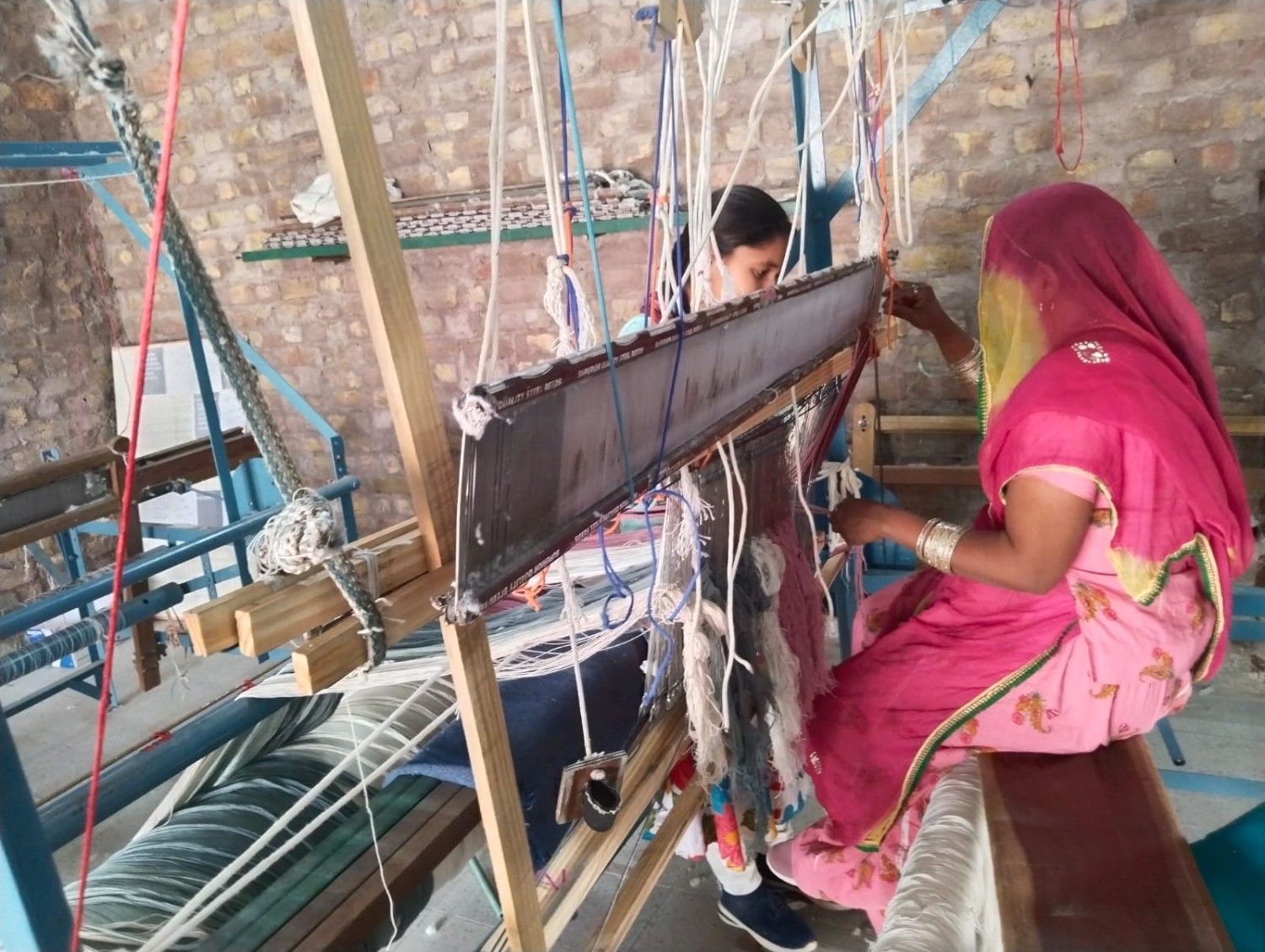
RHVS strengthens the desi wool value chain by supporting sheep-rearing families and creating dignified livelihoods through spinning, weaving, dyeing, and needle-felting.
With trained artisans and active SHGs, it enables youth and women-led craft enterprises rooted in desert traditions.
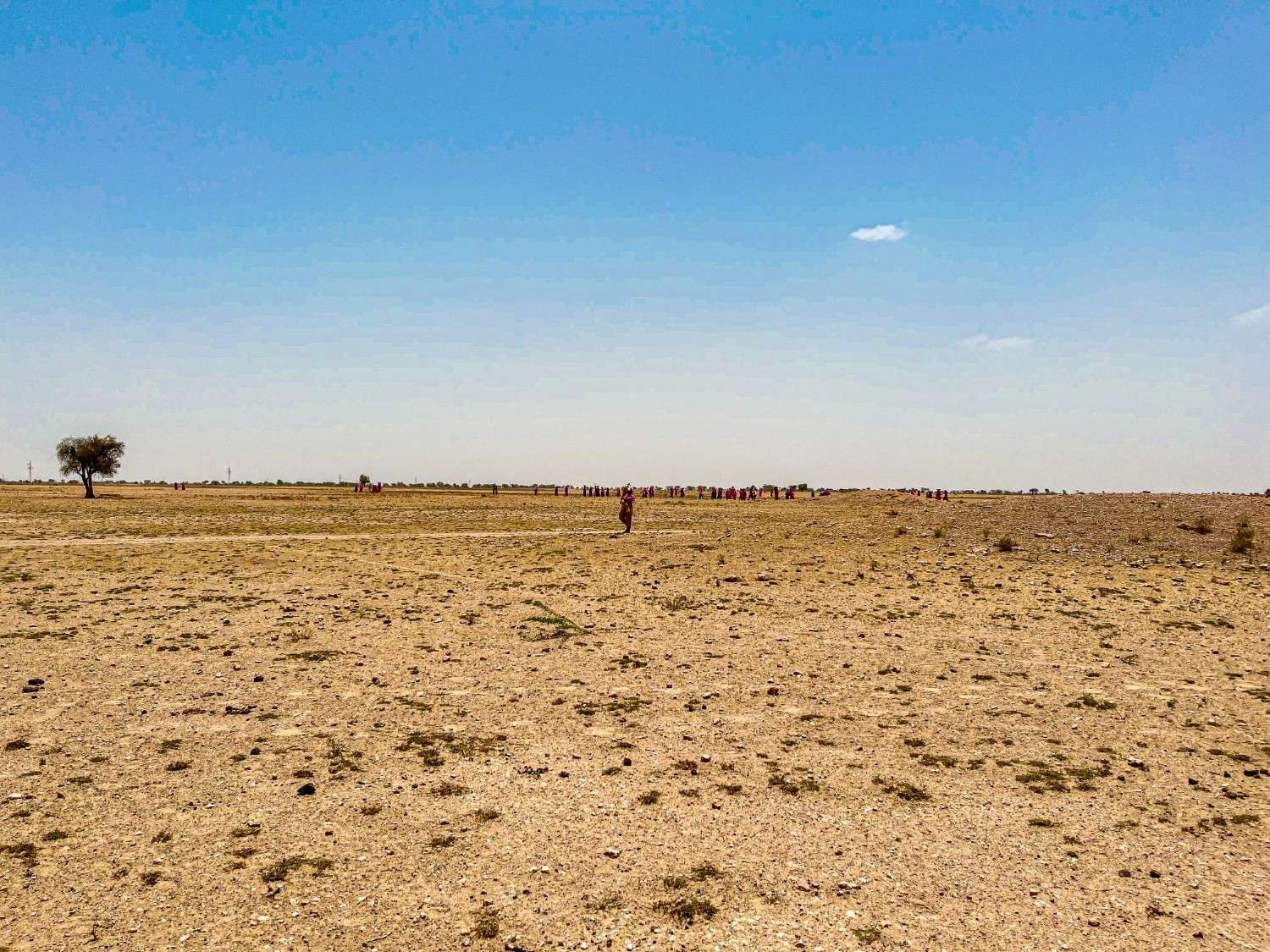
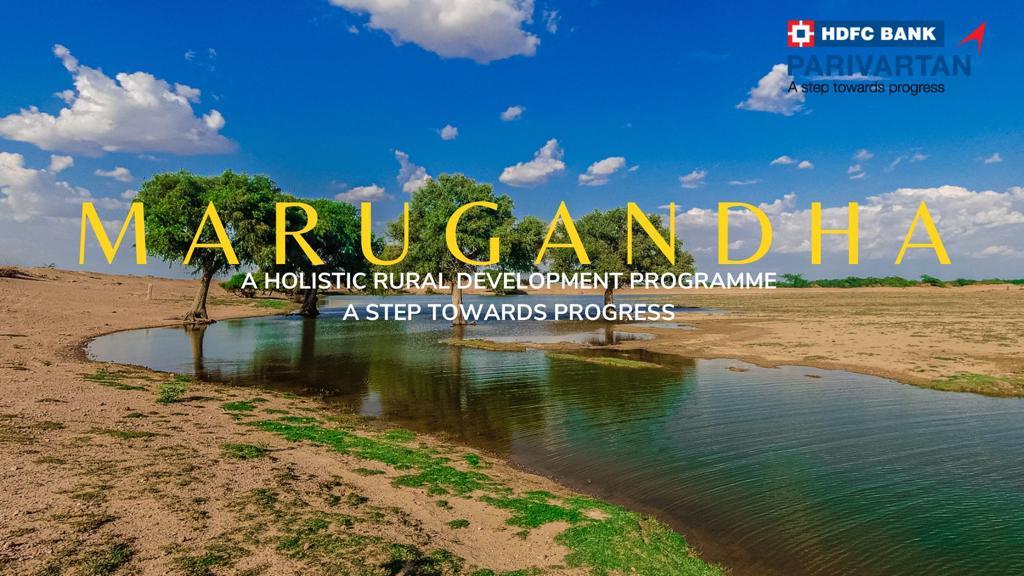
Marugandha is a community-owned enterprise empowering camel milk herders, women artisans, and small farmers.
It builds sustainable rural economies by strengthening value chains, market linkages, and fair-price systems for milk and crafts.
Hello! How can we help you today?